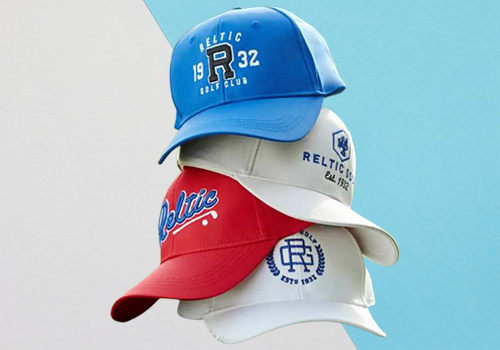
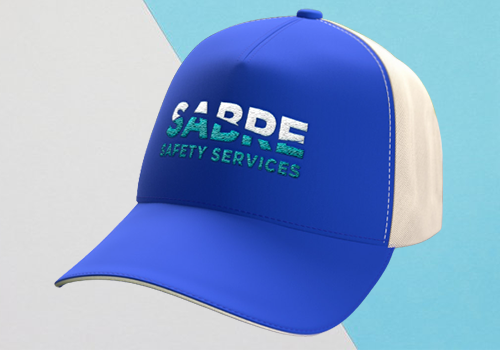
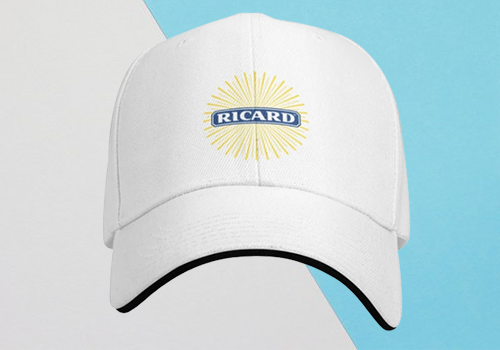
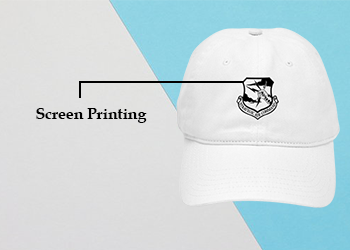
Screen printing is one of the oldest and most extensively used cap printing processes. It includes creating a screen, and then applying layers of ink to the fabric with it. Screen printing provides exceptional color vibrancy, durability, and versatility, making it ideal for designs that include solid colors or bold graphics. Because of its low cost, it is especially popular for large-scale manufacturing runs.
Screen printing is one of the most popular and versatile techniques for t-shirt design. It involves creating a stencil, or screen, and using it to apply ink onto the fabric. This technique allows for vibrant colors and precise details, making it ideal for large, bold designs.
A design is put onto a fine mesh screen to begin the screen printing process, with each color requiring a different screen. Using a squeegee, the ink is then pushed through the screen, transferring the design to the cap. This process ensures that your design will last the test of time by providing exceptional color saturation and durability.
The adaptability of screen printing is one of its benefits. It is effective on a wide range of fabrics, including cotton and, polyester. Furthermore, screen printing provides a diverse range of ink options, including metallic and unique effects, allowing for virtually limitless creative possibilities.
However, it is crucial to remember that screen printing is better suited for larger production runs because the process can be time-consuming and low-cost for large volumes. Intricate patterns with precise details may also not translate properly using this technique. Overall, screen printing is a fantastic choice for bold, one- or two-color graphics that must be durable and long-lasting.